
Digital Twins and Predictive Maintenance: Transforming Maritime Operations
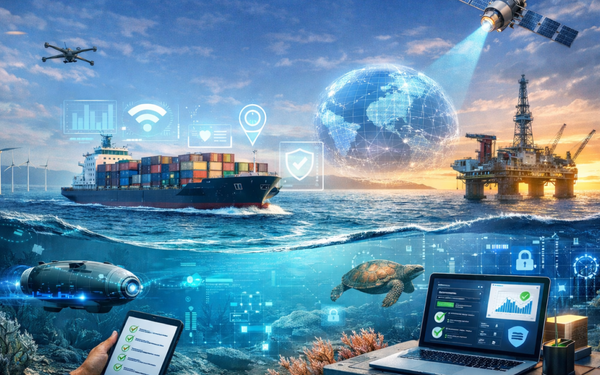
The maritime industry is undergoing a technological revolution with the integration of digital twin technology. By creating virtual replicas of ships and their systems, shipping companies can monitor the real-time performance of vessels and predict potential mechanical failures before they occur. This transformation is not only improving operational efficiency but also playing a critical role in advancing sustainability in shipping.
Trend Overview: Digital Twins in Shipping
Digital twin technology has gained significant traction as a key innovation in modern shipping operations. By leveraging advanced technologies, shipping companies are now able to create highly accurate virtual models of their vessels. These virtual replicas allow operators to visualize the real-time status of a ship, providing insights into the performance of key components, fuel consumption, and even weather conditions affecting the ship’s journey.
The most transformative aspect of digital twins is their ability to predict potential mechanical failures through predictive maintenance. By utilizing real-time data and advanced analytics, operators can anticipate issues before they lead to costly repairs or downtime.
Key Technologies Behind Digital Twins
The core technologies driving digital twin and predictive maintenance advancements include:
- IoT sensors: These sensors collect vast amounts of data from critical ship components such as engines, pumps, and fuel systems. The data is continuously fed into the digital twin model for analysis.
- AI-powered predictive maintenance algorithms: Artificial intelligence analyzes data from IoT sensors and compares it to historical performance records to detect anomalies. When potential issues are identified, maintenance teams can be alerted well in advance of a failure.
- Cloud-based platforms: Cloud technologies enable real-time monitoring, ensuring that ship operators and engineers can access performance data and predictive insights from anywhere, at any time. This accessibility enhances decision-making and improves response times for maintenance actions.
Impact on Sustainability
In addition to improving operational efficiency, digital twins and predictive maintenance are driving sustainability in the maritime industry. By identifying potential mechanical failures before they happen, shipping companies can avoid emergency repairs that often result in wasted resources and energy. Predictive maintenance helps optimize the lifespan of ship components, reduces material waste, and lowers fuel consumption due to better-maintained systems.
Moreover, reducing unplanned downtime means fewer disruptions to shipping schedules, which leads to more efficient cargo transportation and minimized emissions. Overall, the adoption of digital twin technology is a win-win for both economic and environmental sustainability in the maritime industry.
Conclusion
The adoption of digital twin technology and predictive maintenance is revolutionizing the shipping industry by improving efficiency, reducing costs, and promoting sustainability. As more shipping companies embrace these innovations, the future of maritime operations looks set to become increasingly proactive, sustainable, and technologically advanced.